
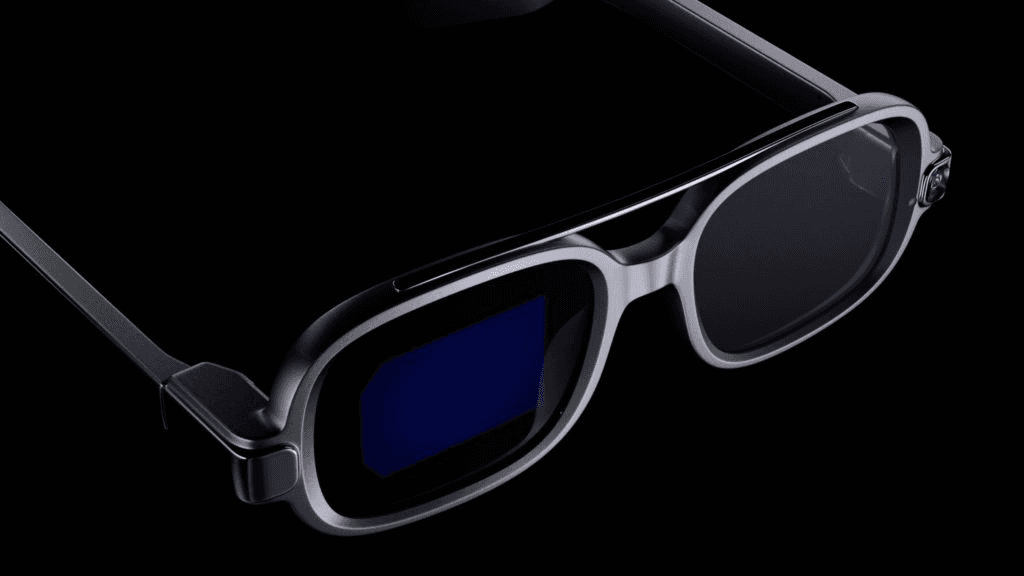
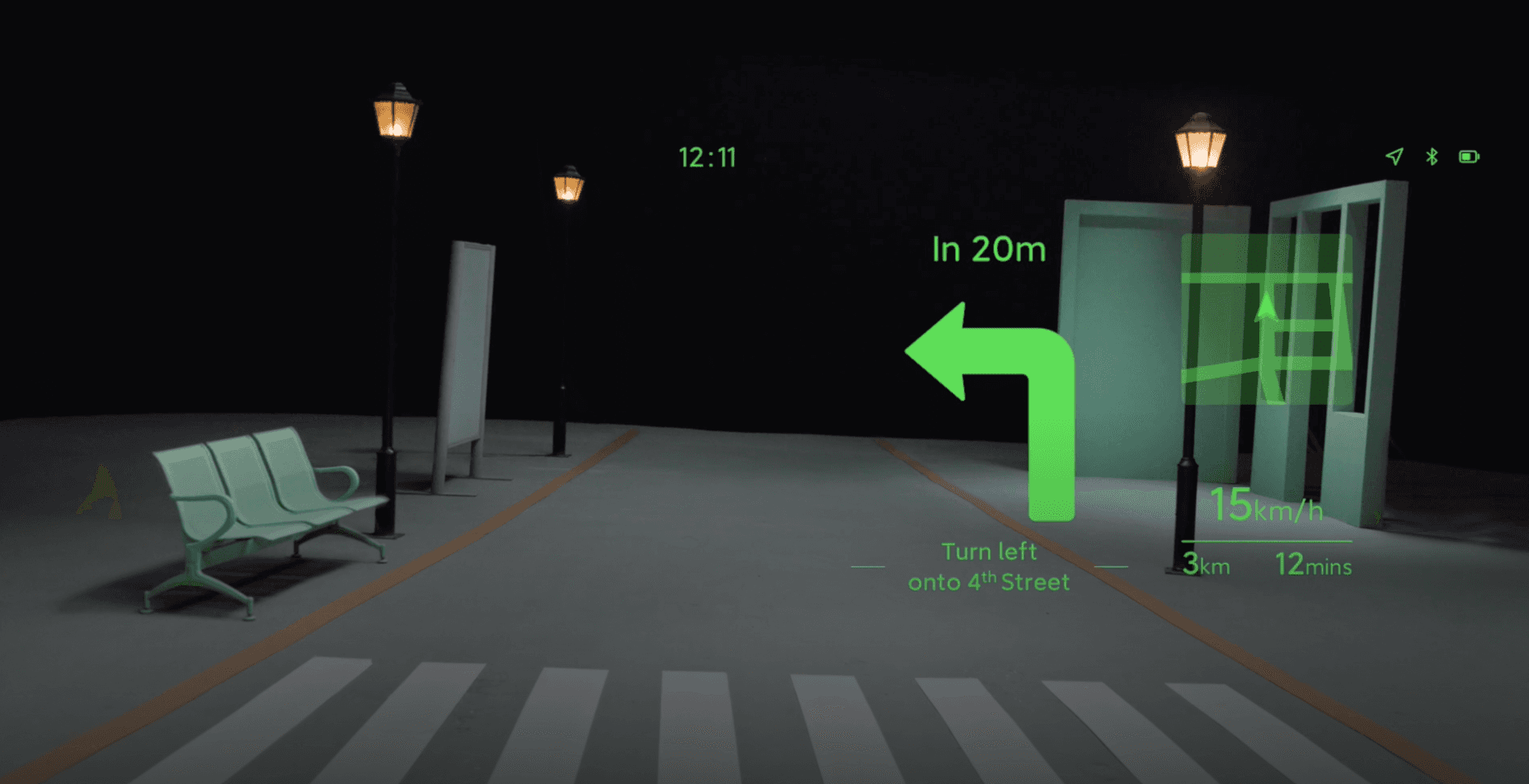
In 2021, Xiaomi presented a smart-glasses concept that compressed calls, messages, navigation, photography, and a teleprompter-like display into an ordinary-looking frame. The announcement made science-fiction interfaces feel unusually close.
The interesting part was not merely putting another screen in front of a person. It was the suggestion that useful information could appear in context, without requiring a phone to dominate every interaction.
A tiny display with large ambitions
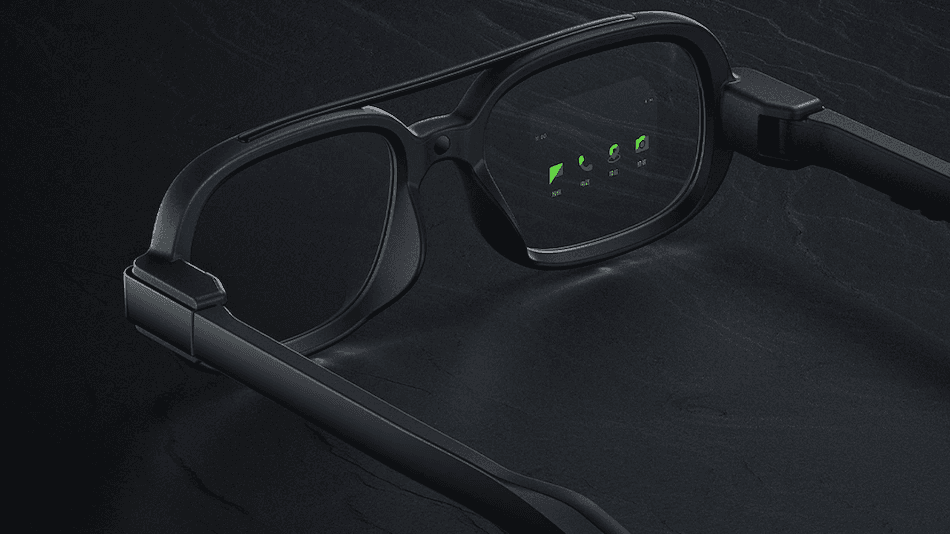
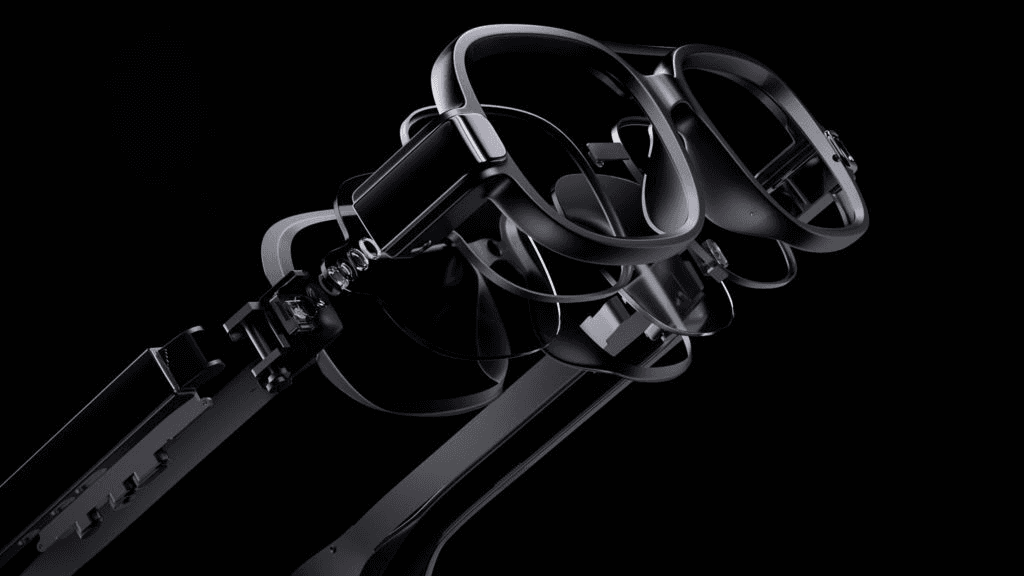
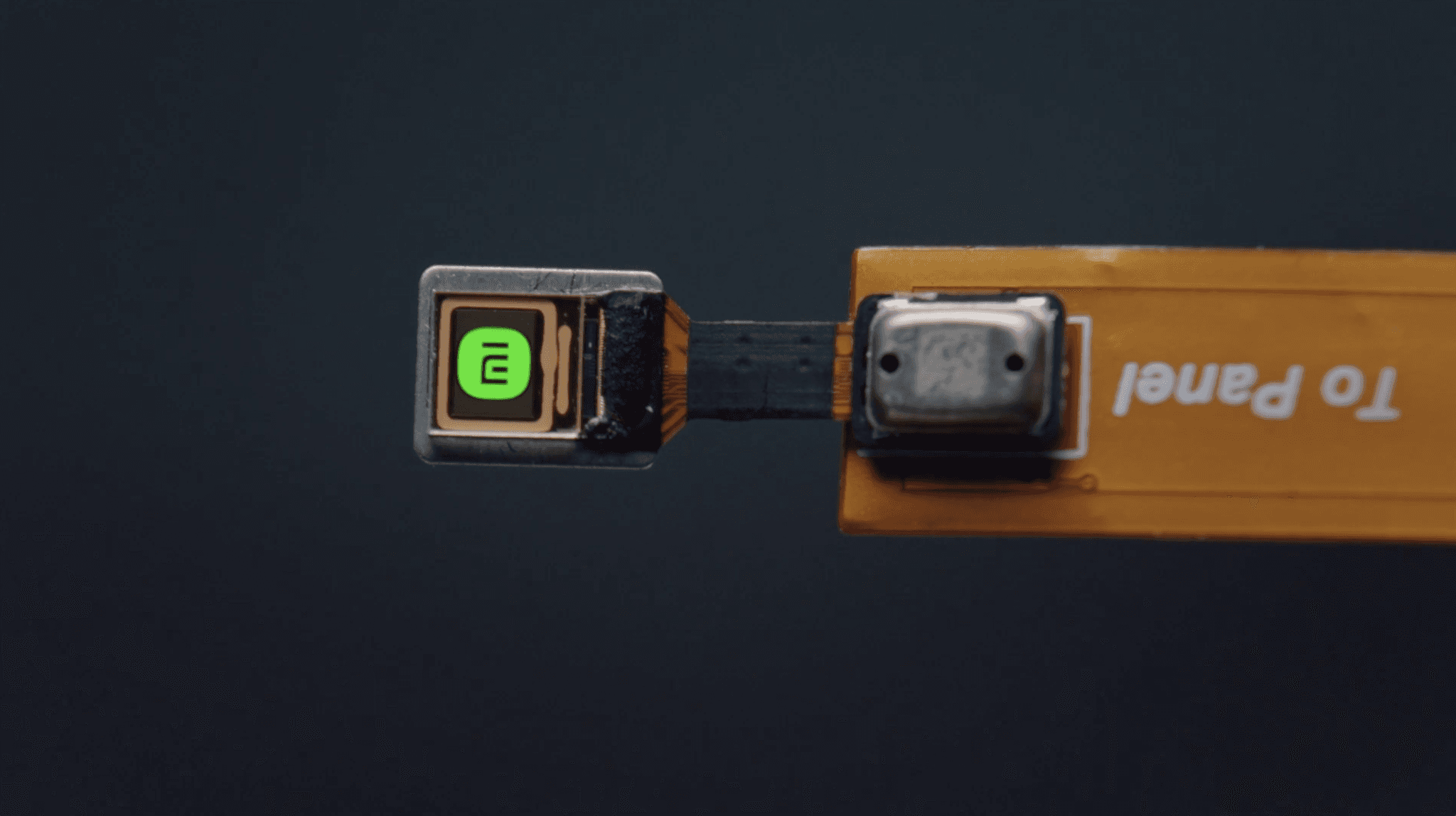
The concept centered on a MicroLED display and optical waveguide technology designed to project information into the wearer’s view. Xiaomi described an interface for directions, notifications, translation, and taking photos.
An assistant was meant to decide which information deserved to interrupt the wearer. That is both the promise and the danger of ambient computing: the interface becomes more natural, while the system deciding what reaches us becomes more powerful.
What still matters
The exact product moment belongs to the archive, but the questions remain current. Who controls the layer between a person and the world? Which data must be collected to make the experience useful? Can the technology help without turning every glance into another monetized surface?
Those questions are why alternatives matter before a new category settles around one default answer.


Loading the conversation…