Busted Minds Journal
Ideas behind
the alternatives.
Product notes, independent thinking, and selected pieces from the Busted Minds archive.
What “user-first” means in practice
A principle only matters when it changes a product decision. Here are the tests we use when convenience, growth, and the person using the product pull in different directions.
Read the story

A chess engine is not a chess teacher
The best move is only the beginning of an explanation. Useful chess technology must turn calculation into a pattern a player can recognize again.

The score is not the whole game
Live sports products are at their best when they respect urgency without reducing every match to a blinking number and a stream of noise.

A news feed should show its work
A calmer news product does more than reduce noise. It keeps reporting close, separates fact from framing, and makes comparison natural.

What a thinking partner owes you
An AI assistant should do more than produce polished answers. It should clarify the task, expose uncertainty, and preserve your judgment.

Search is also an act of reading
Finding a page is not enough. Search should help people judge sources, understand context, and decide where to read next.

Privacy needs a visible interface
A policy can describe boundaries, but a product must let people see and control them where decisions actually happen.

Software should make leaving boring
The strongest proof that a product earns loyalty is a calm exit: useful exports, clear consequences, and no manufactured obstacle course.
Small products can have large standards
A smaller team cannot ship everything. It can still be unusually deliberate about trust, reliability, accessibility, and the details it chooses to own.

The useful internet is bigger than the popular internet
Ranking naturally gathers attention around established pages. Discovery needs deliberate room for smaller, stranger, and more specific sources.
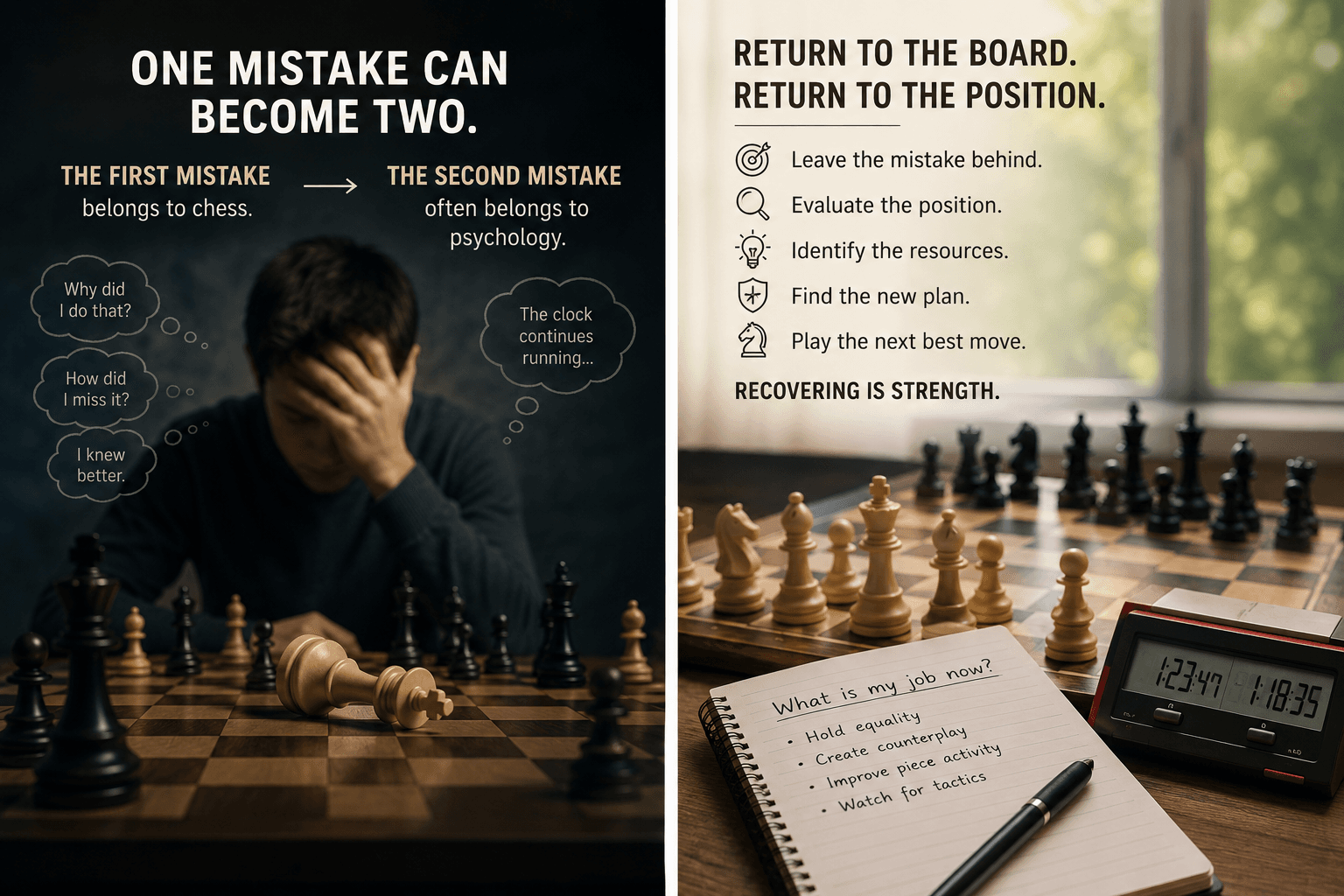
The Game After the Mistake
A mistake changes the position. What happens next reveals something deeper: whether we can let go of what was and respond intelligently to what remains.
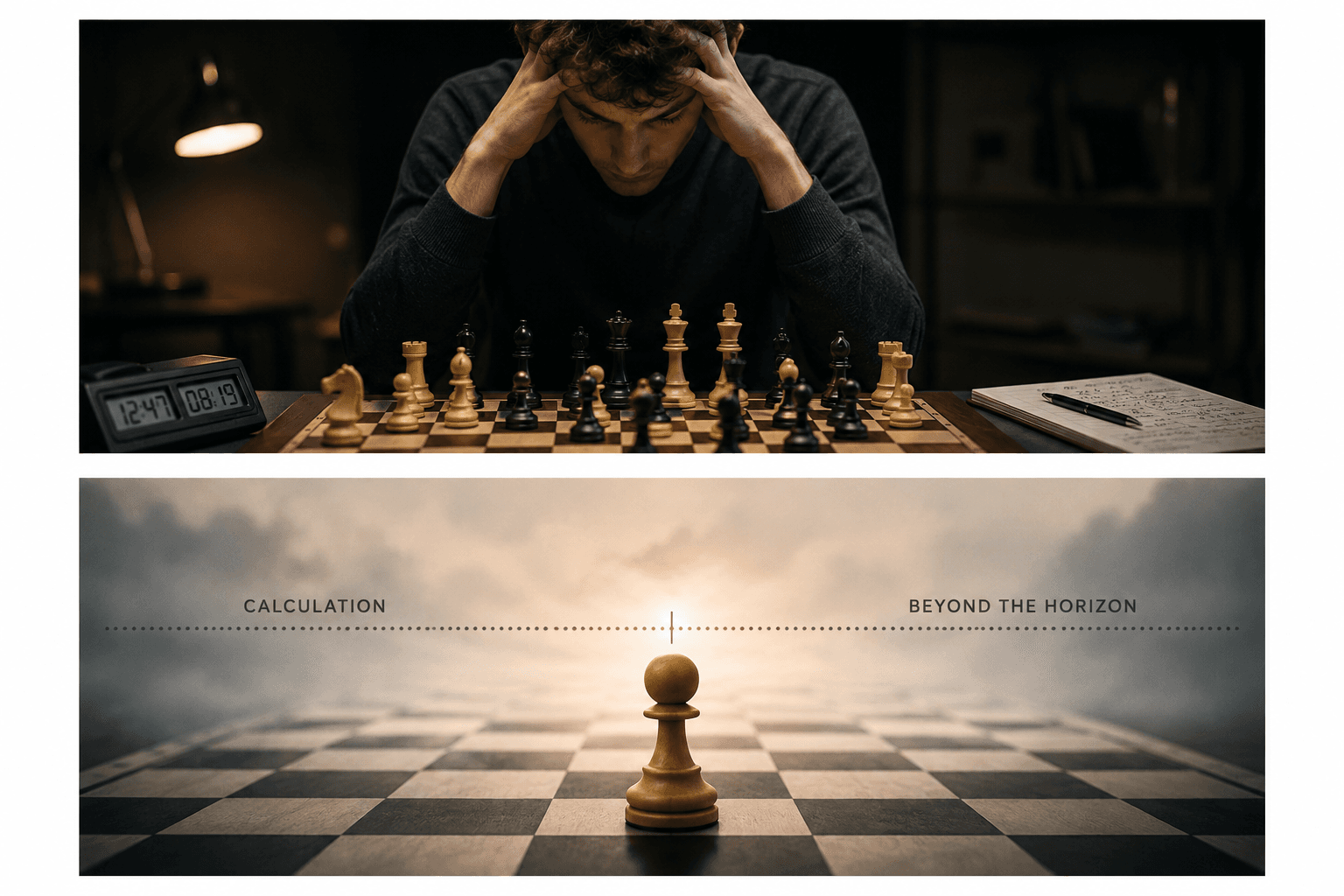
The Position You Cannot Prove
The strongest decisions are not always certain. Chess teaches us how to think clearly, judge what matters, and commit when calculation runs out.