Busted Minds Journal
Ideas behind
the alternatives.
Product notes, independent thinking, and selected pieces from the Busted Minds archive.
Page 2 of 3
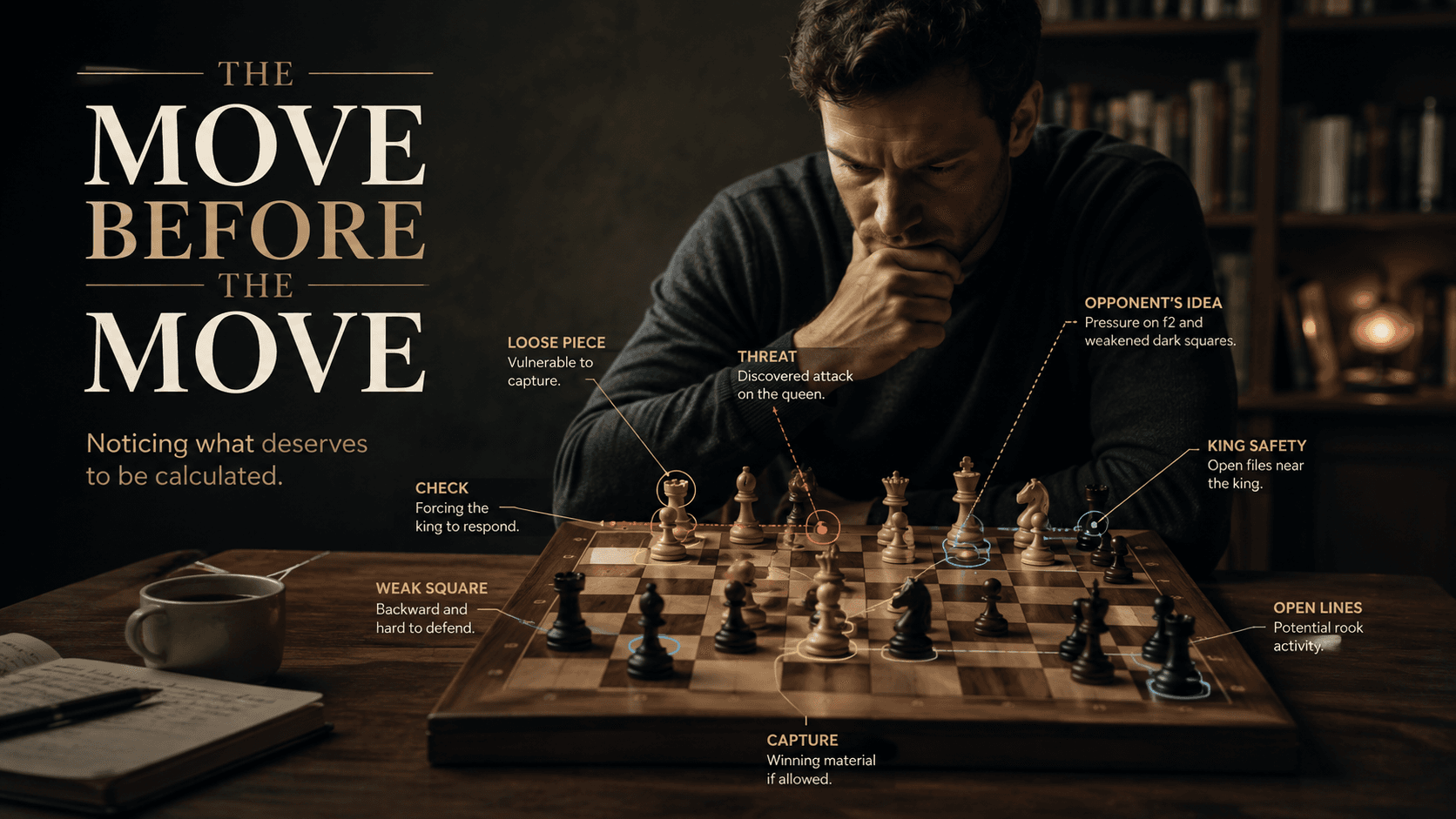
The Move Before the Move
Most chess mistakes don’t begin with bad calculation—they begin with looking at the wrong thing. The Move Before the Move explores how stronger chess starts with attention: noticing what changed, questioning the obvious move, spotting hidden threats, and knowing what deserves calculation. Improvement isn’t about seeing everything. It’s about missing less of what matters.
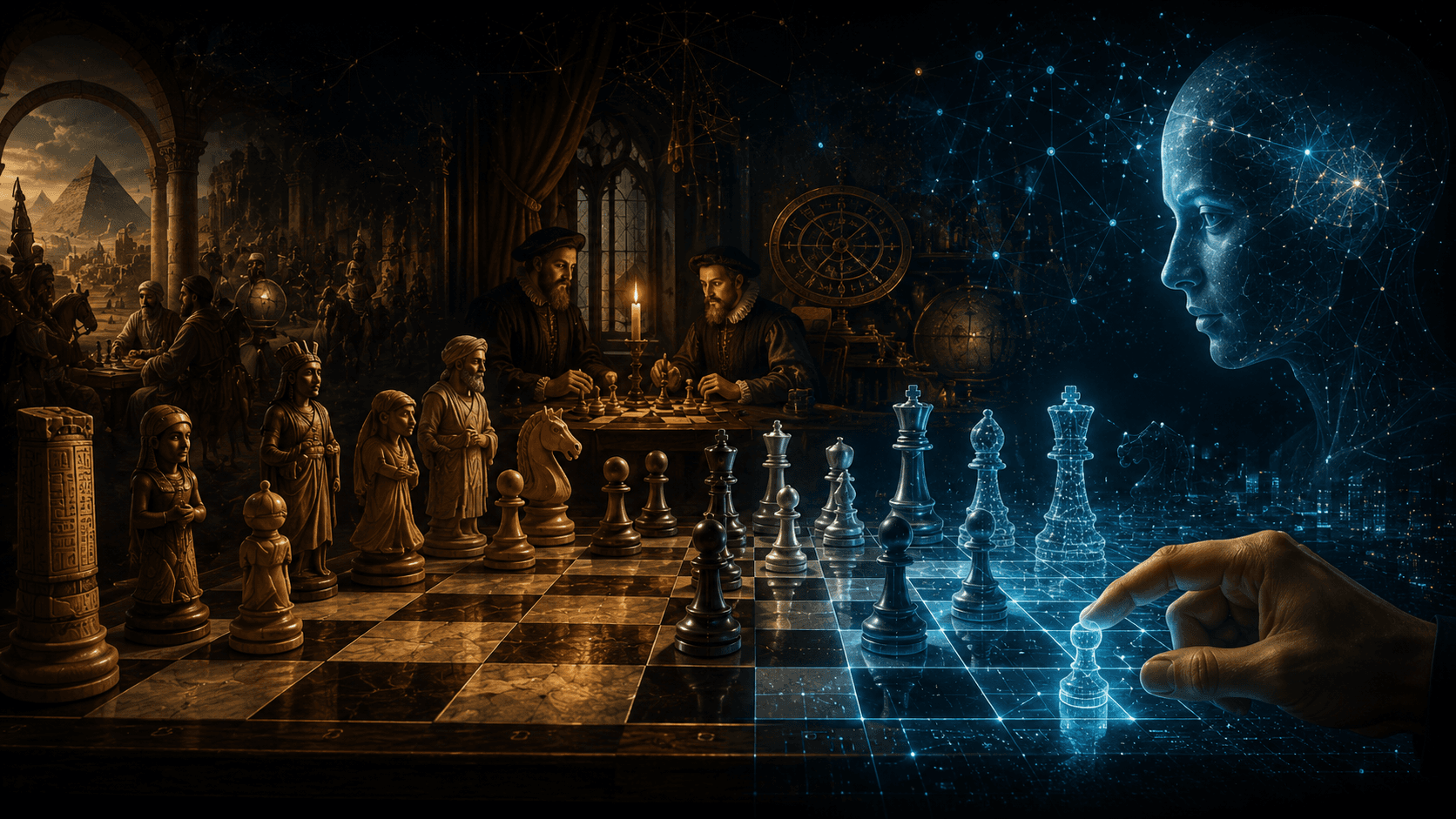
The Infinite Game Played on Sixty-Four Squares
Chess is more than a game, it is a battle of foresight, psychology, and precision played across just 64 squares. Every move carries consequences, every sacrifice tells a story, and every position challenges the player to balance calculation with instinct. Simple to learn but impossible to fully master, chess has endured for centuries because it reveals something timeless about the way we think.
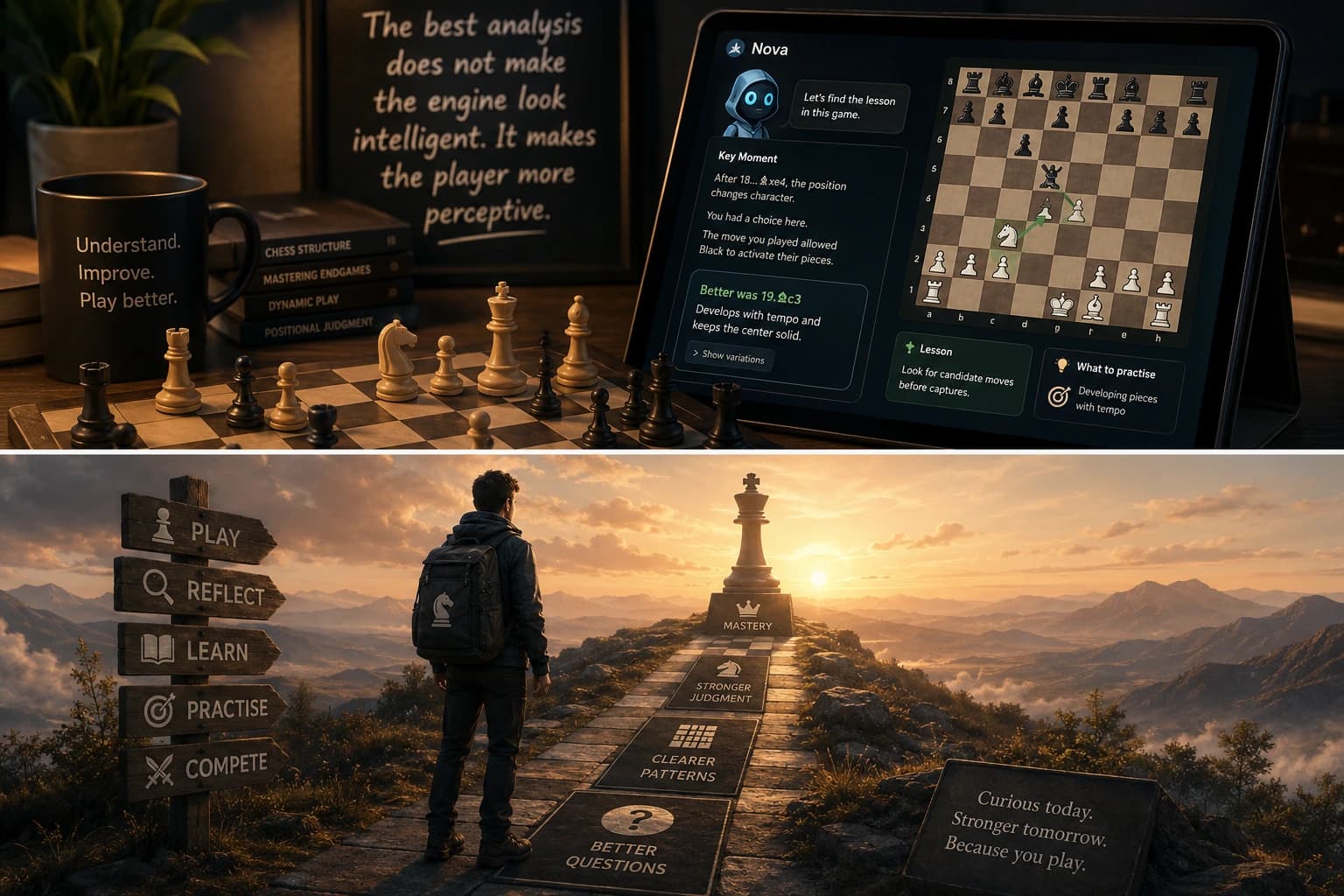
Chess deserves better than an engagement machine
The strongest chess product does not squeeze anxiety into a streak. It gives players a clearer relationship with improvement, competition, and the game itself.

The Luxury of an Uninterrupted Life
In an age optimized for convenience, the rarest form of wealth may be the ability to finish a thought.
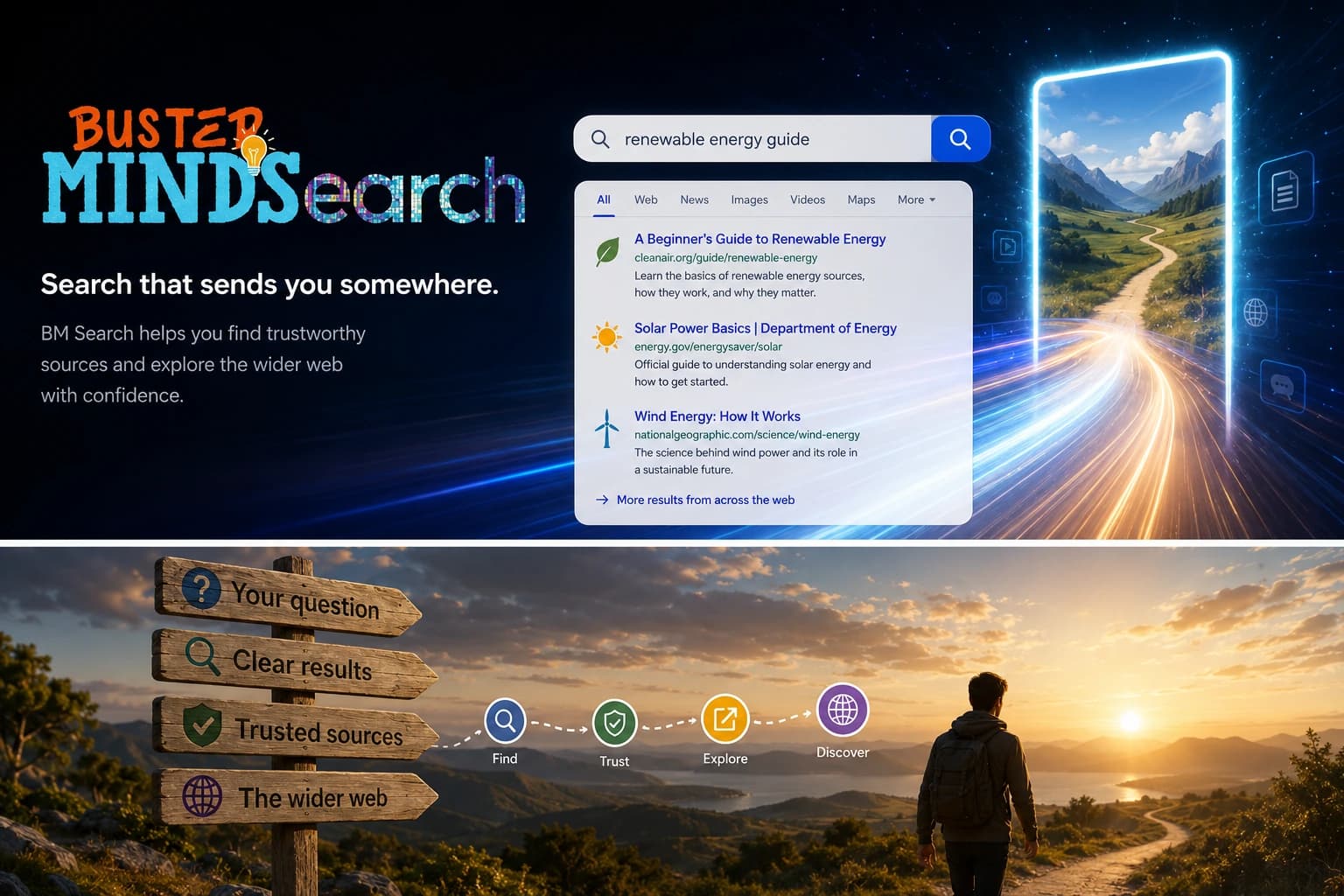
Search should send you somewhere
The purpose of search is not to hold the user inside a results page. It is to create a trustworthy route from a question to the wider web.
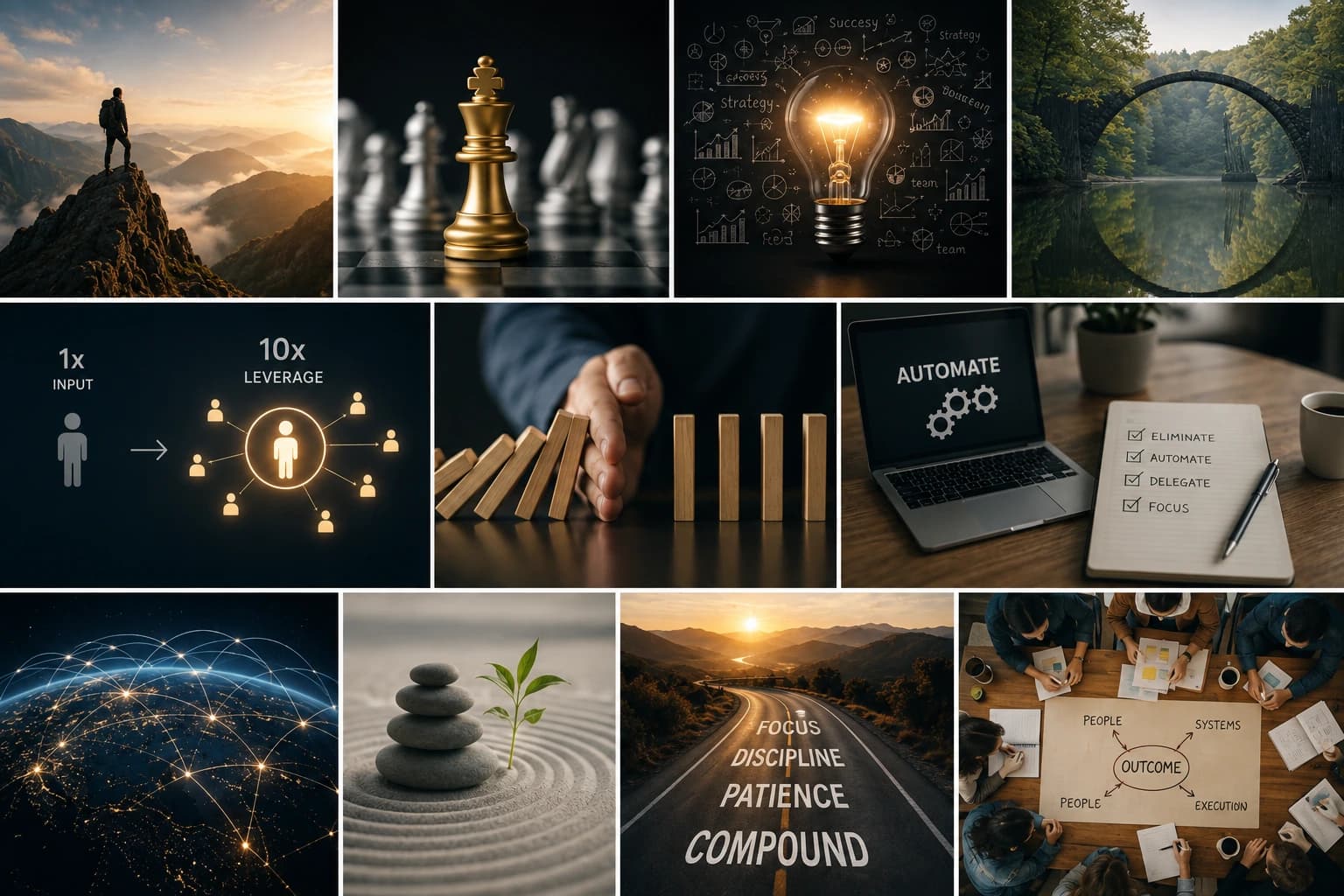
The Age of Invisible Leverage: Why the Most Valuable Work No Longer Looks Like Work
Technology multiplies output, but judgment, ownership, credibility, and systems determine who benefits from that leverage.
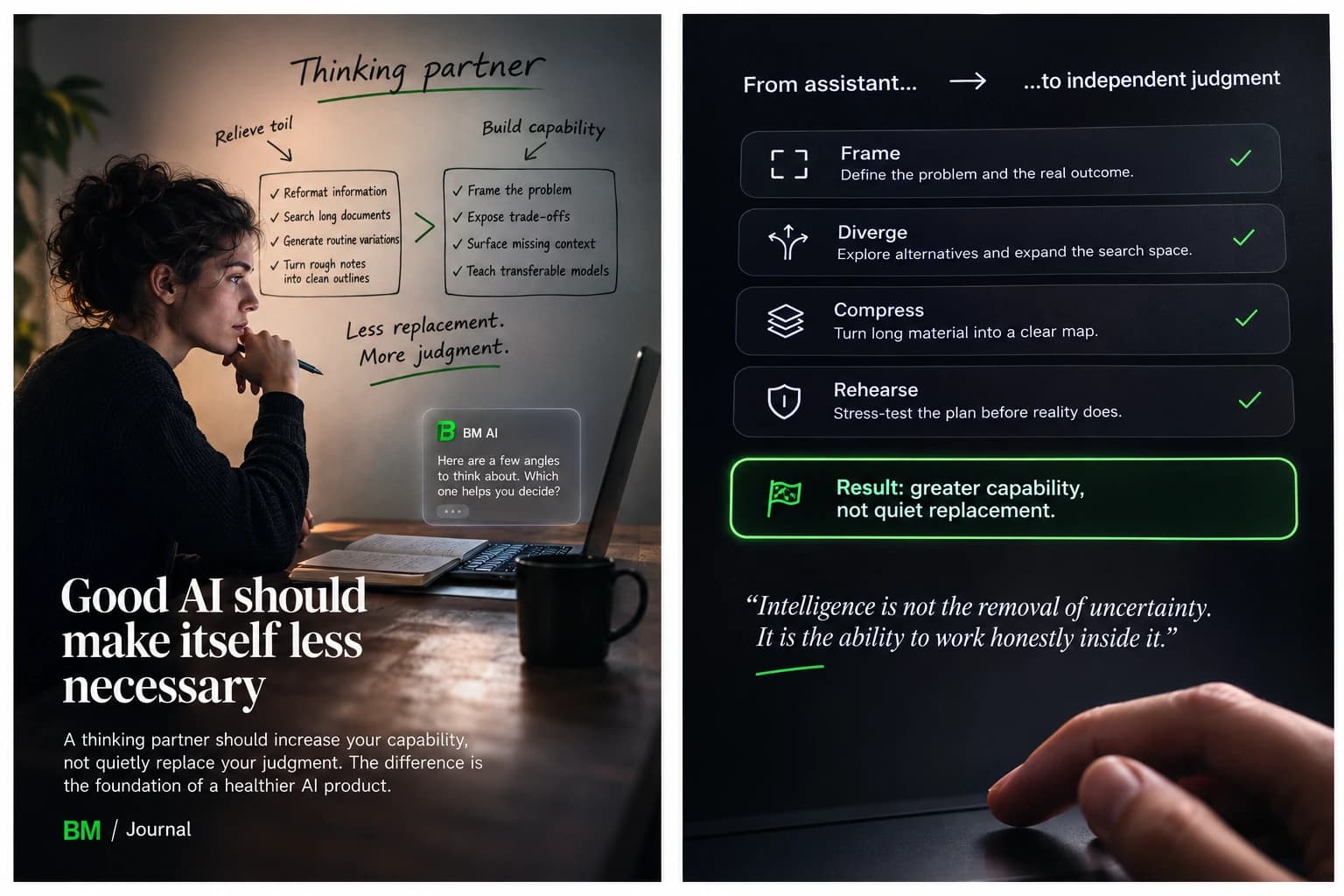
Good AI should make itself less necessary
A thinking partner should increase your capability, not quietly replace your judgment. The difference is the foundation of a healthier AI product.
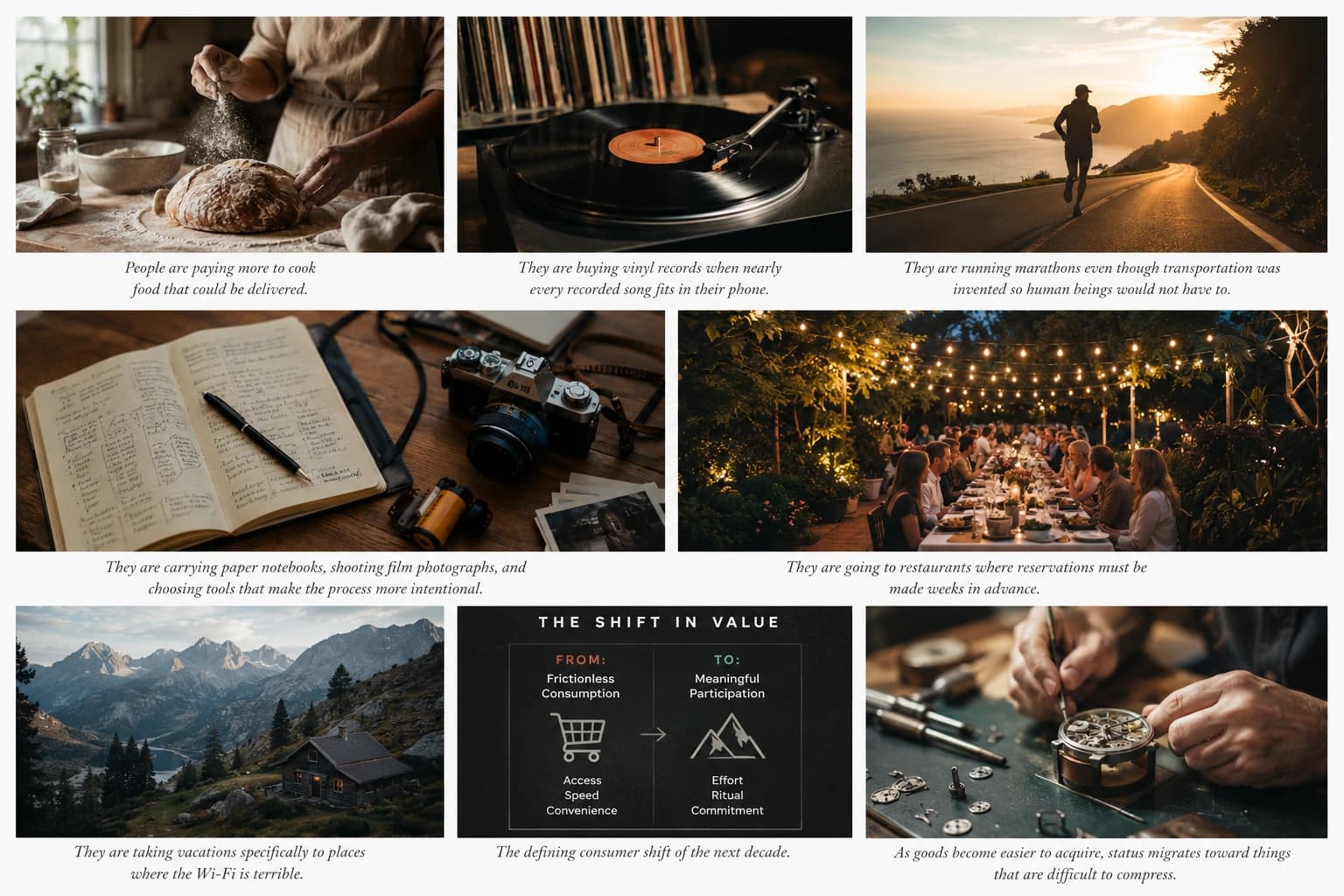
The New Luxury Is Friction: Why the Future Belongs to Things That Make You Slow Down
As convenience becomes abundant, chosen effort, ritual, and craftsmanship become more valuable sources of meaning.

The Most Expensive Thing You Own Is Your Attention
Attention is more than time: it shapes judgment, identity, and the long thoughts that compound into meaningful work.
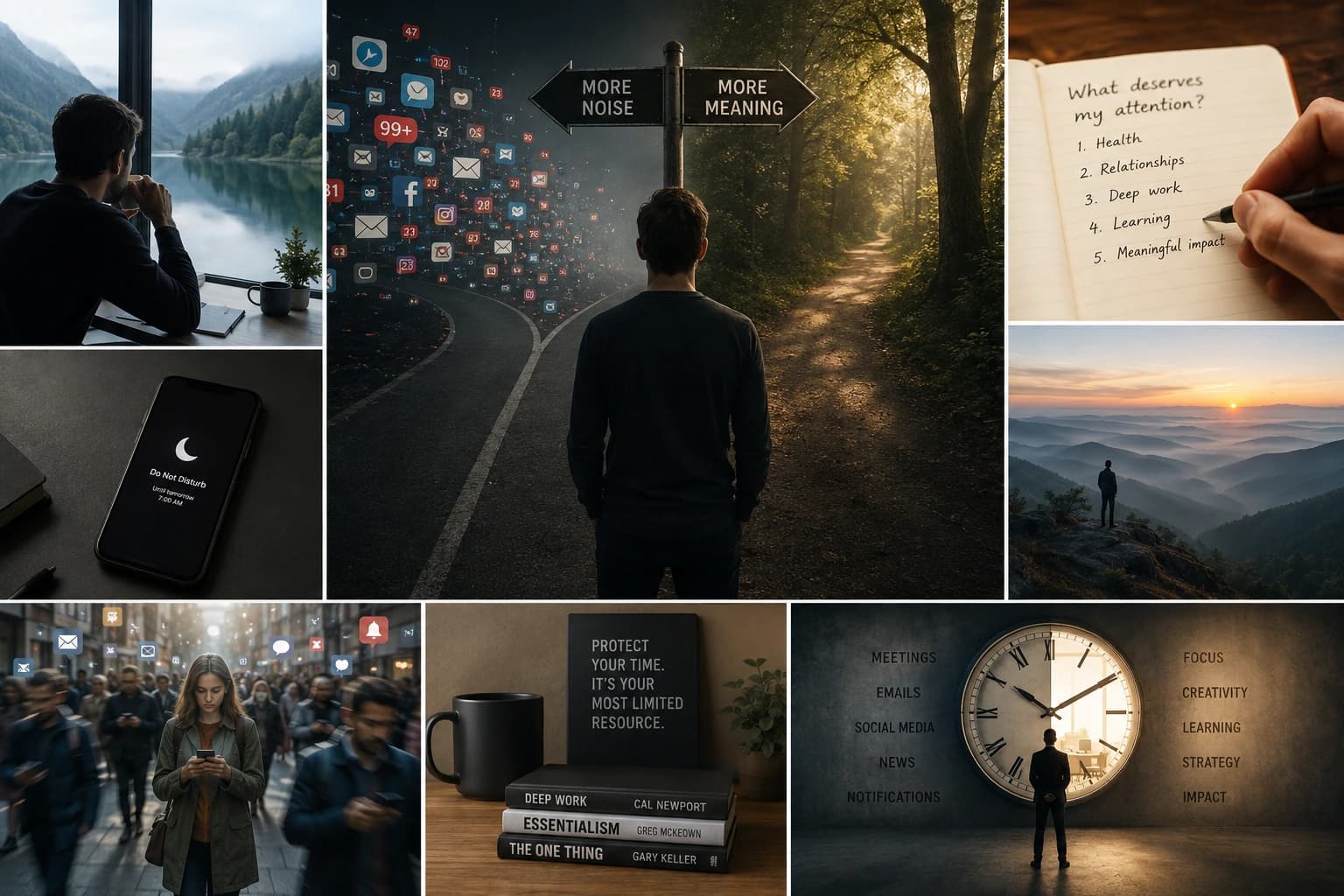
The Luxury We Mispriced: Why the Future Belongs to People Who Can Protect Their Attention
In a world of abundant information and AI-generated output, protected attention becomes the defining form of wealth.

The Convenience Trap: Why Saving Time Rarely Makes Us Feel Less Busy
Efficiency was supposed to free our time. Instead, lower costs expanded expectations and filled the capacity technology created.

The Quiet Economics of Attention
The scarce resource of the modern economy is not information. It is the ability to decide what deserves to enter your mind.