20 articles

Search is also an act of reading
Finding a page is not enough. Search should help people judge sources, understand context, and decide where to read next.

Privacy needs a visible interface
A policy can describe boundaries, but a product must let people see and control them where decisions actually happen.

Software should make leaving boring
The strongest proof that a product earns loyalty is a calm exit: useful exports, clear consequences, and no manufactured obstacle course.

Small products can have large standards
A smaller team cannot ship everything. It can still be unusually deliberate about trust, reliability, accessibility, and the details it chooses to own.

The useful internet is bigger than the popular internet
Ranking naturally gathers attention around established pages. Discovery needs deliberate room for smaller, stranger, and more specific sources.

The Infinite Game Played on Sixty-Four Squares
Chess is more than a game, it is a battle of foresight, psychology, and precision played across just 64 squares. Every move carries consequences, every sacrifice tells a story, and every position challenges the player to balance calculation with instinct. Simple to learn but impossible to fully master, chess has endured for centuries because it reveals something timeless about the way we think.

Chess deserves better than an engagement machine
The strongest chess product does not squeeze anxiety into a streak. It gives players a clearer relationship with improvement, competition, and the game itself.
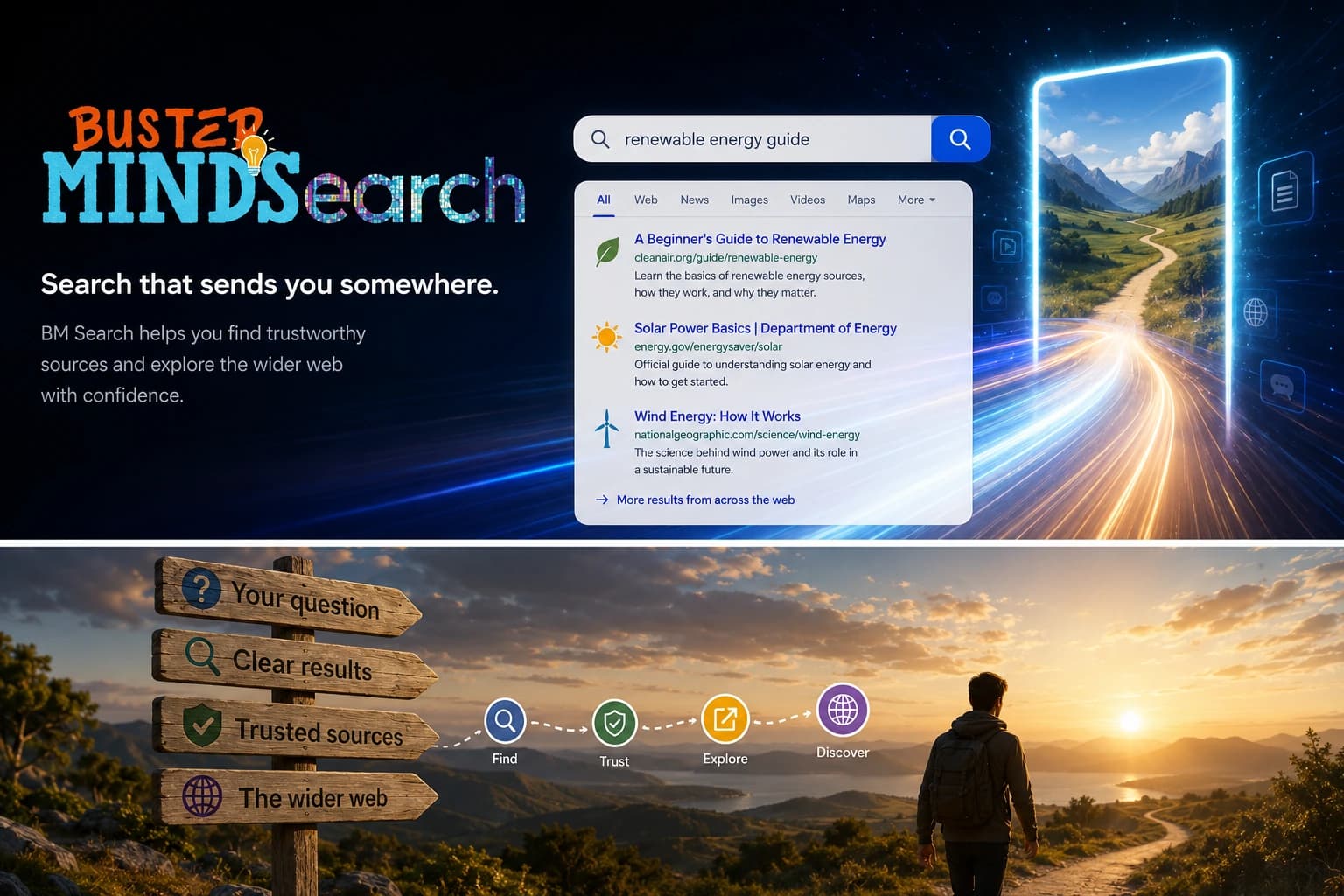
Search should send you somewhere
The purpose of search is not to hold the user inside a results page. It is to create a trustworthy route from a question to the wider web.

Good AI should make itself less necessary
A thinking partner should increase your capability, not quietly replace your judgment. The difference is the foundation of a healthier AI product.