
16 articles
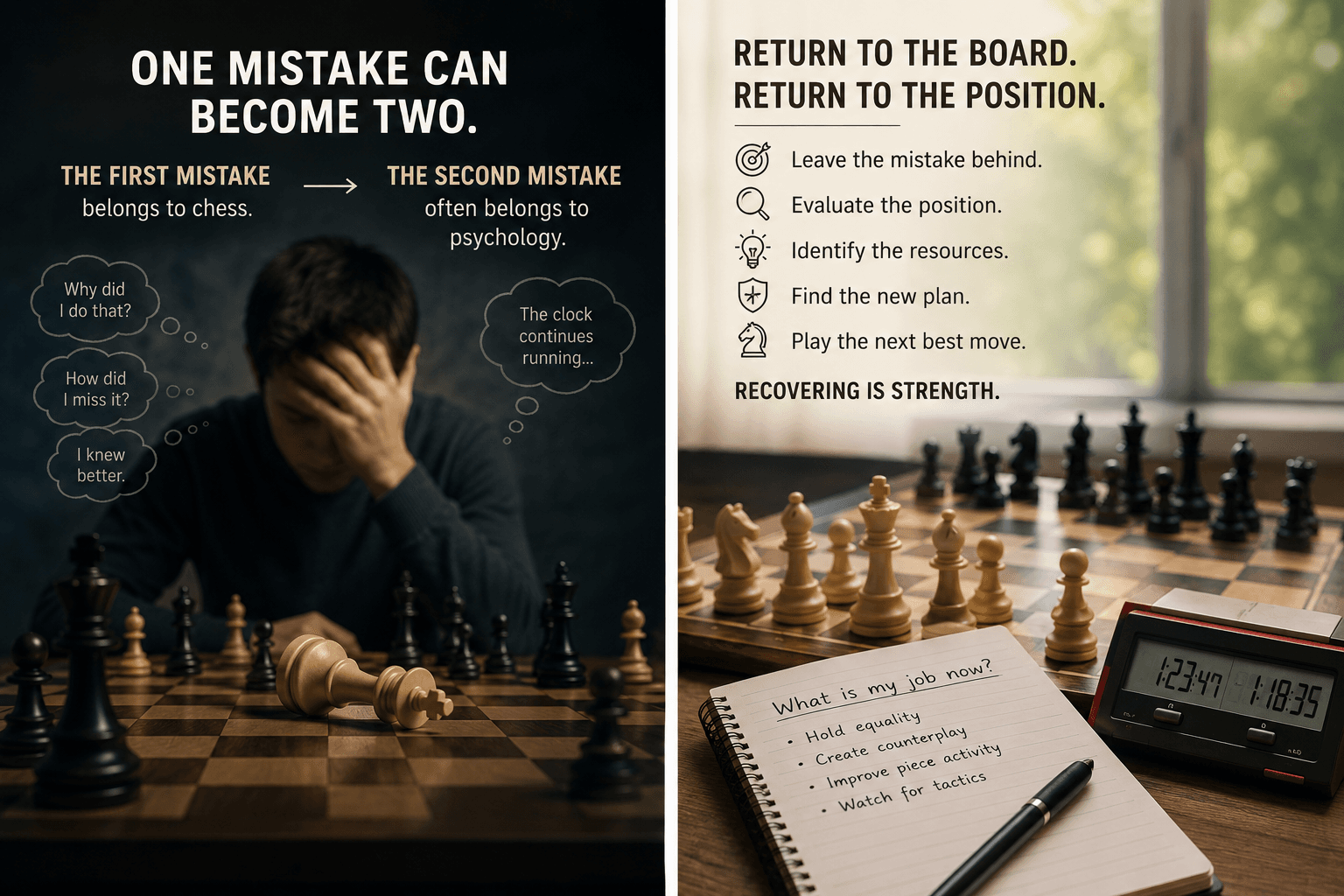
The Game After the Mistake
A mistake changes the position. What happens next reveals something deeper: whether we can let go of what was and respond intelligently to what remains.
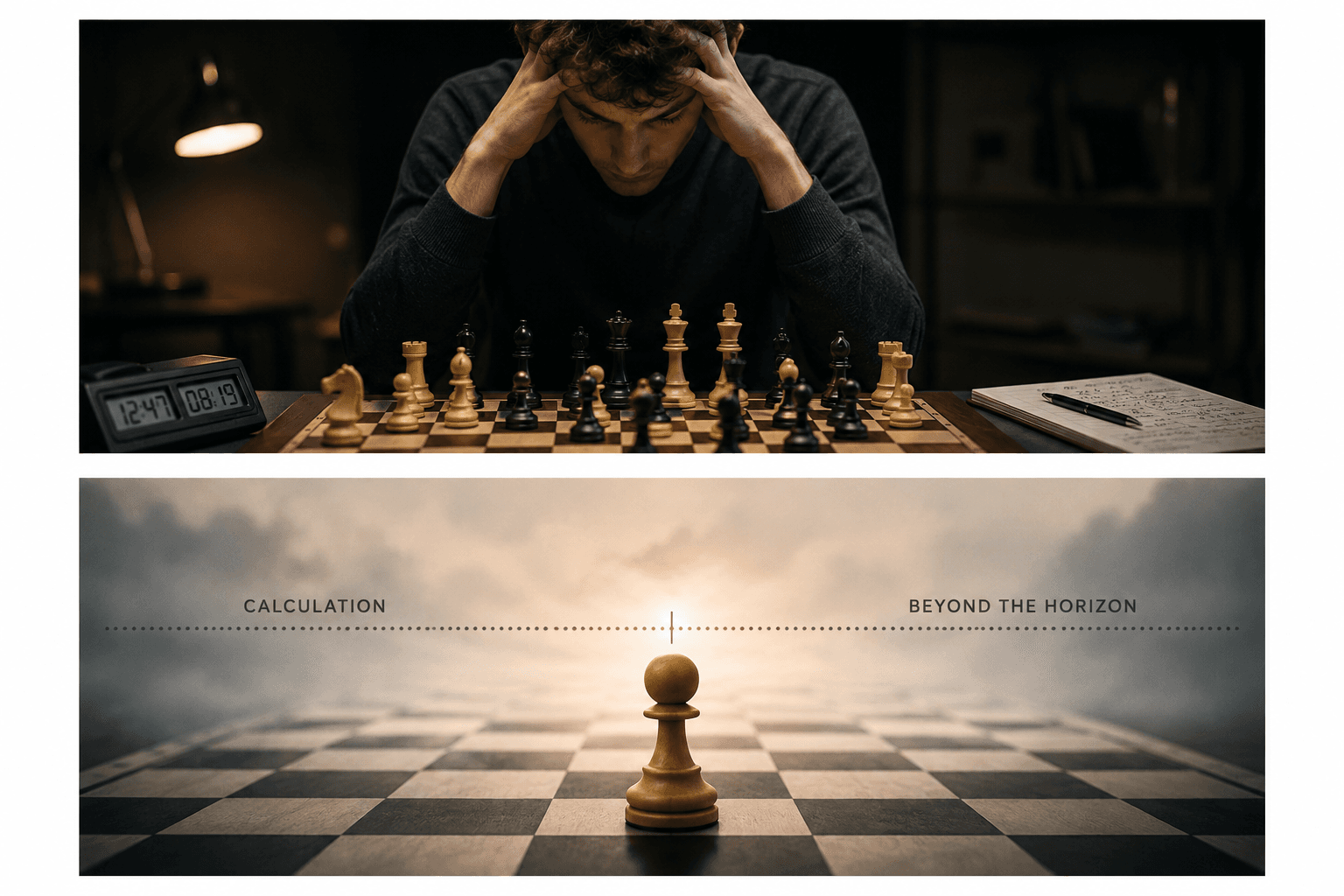
The Position You Cannot Prove
The strongest decisions are not always certain. Chess teaches us how to think clearly, judge what matters, and commit when calculation runs out.
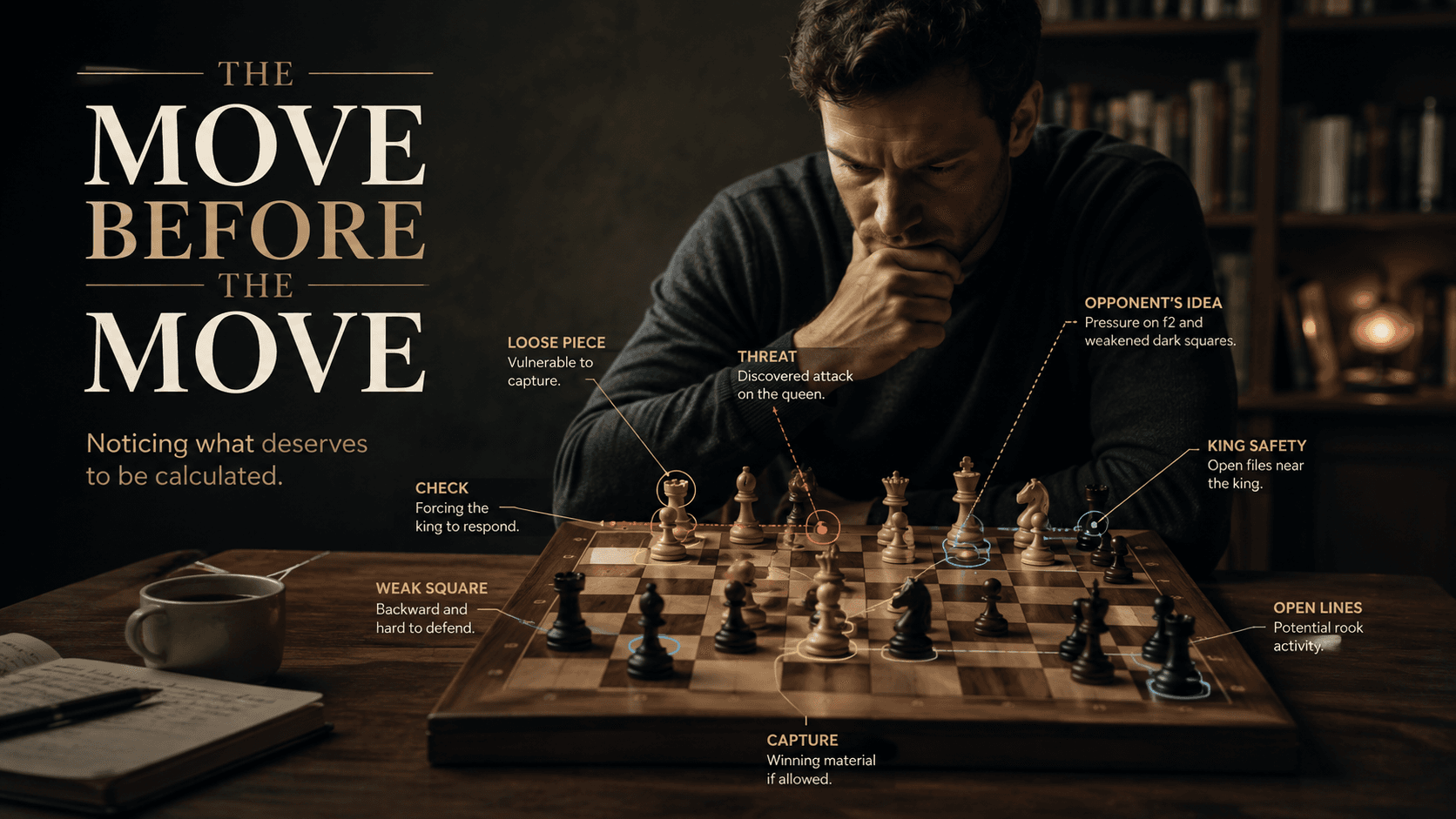
The Move Before the Move
Most chess mistakes don’t begin with bad calculation—they begin with looking at the wrong thing. The Move Before the Move explores how stronger chess starts with attention: noticing what changed, questioning the obvious move, spotting hidden threats, and knowing what deserves calculation. Improvement isn’t about seeing everything. It’s about missing less of what matters.

The Luxury of an Uninterrupted Life
In an age optimized for convenience, the rarest form of wealth may be the ability to finish a thought.
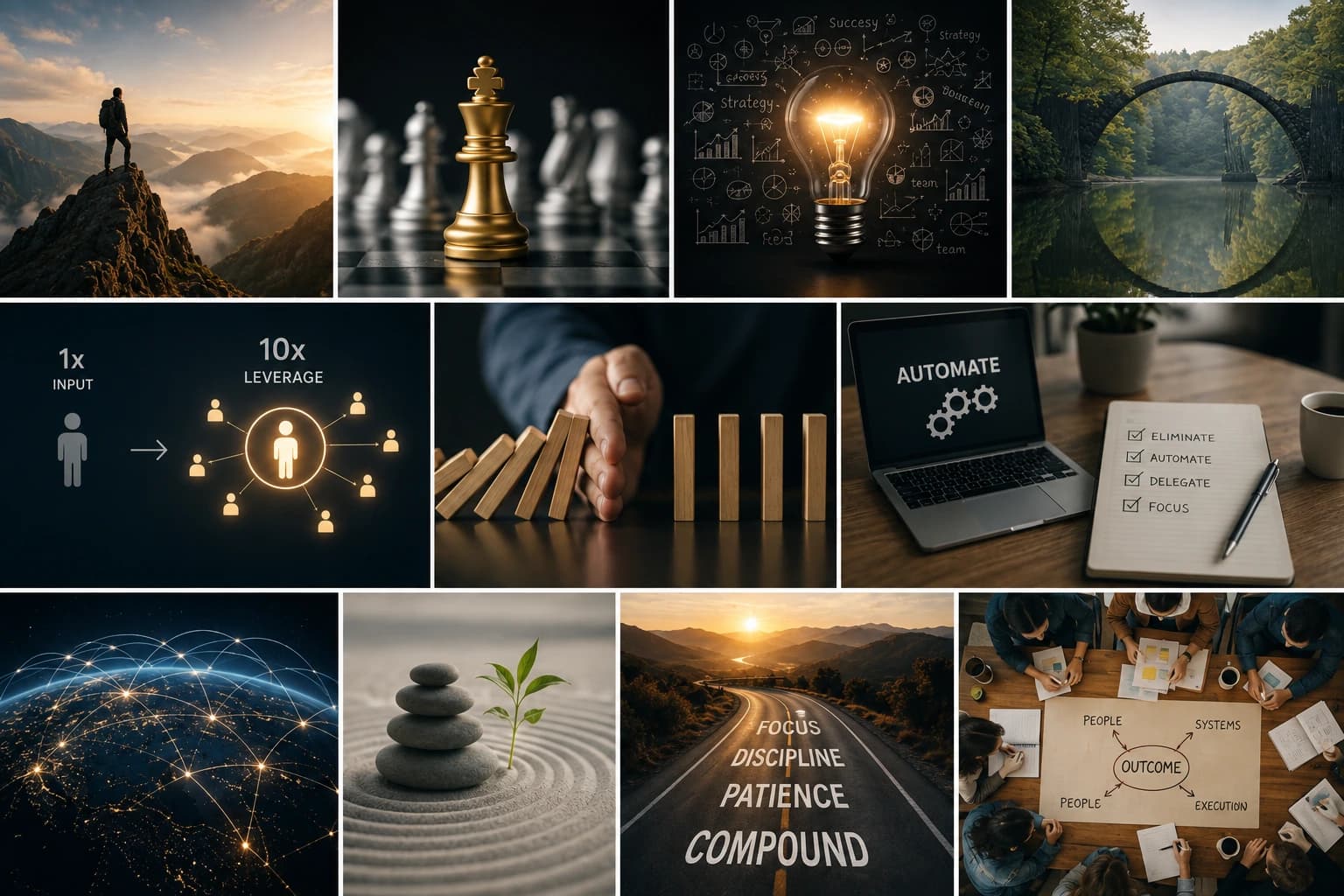
The Age of Invisible Leverage: Why the Most Valuable Work No Longer Looks Like Work
Technology multiplies output, but judgment, ownership, credibility, and systems determine who benefits from that leverage.

The New Luxury Is Friction: Why the Future Belongs to Things That Make You Slow Down
As convenience becomes abundant, chosen effort, ritual, and craftsmanship become more valuable sources of meaning.

The Most Expensive Thing You Own Is Your Attention
Attention is more than time: it shapes judgment, identity, and the long thoughts that compound into meaningful work.

The Luxury We Mispriced: Why the Future Belongs to People Who Can Protect Their Attention
In a world of abundant information and AI-generated output, protected attention becomes the defining form of wealth.

The Convenience Trap: Why Saving Time Rarely Makes Us Feel Less Busy
Efficiency was supposed to free our time. Instead, lower costs expanded expectations and filled the capacity technology created.