Journal search
Find an idea.
Follow a question. Search our writing by title, topic, author, or a thought that stayed with you.
39 articles

What a thinking partner owes you
An AI assistant should do more than produce polished answers. It should clarify the task, expose uncertainty, and preserve your judgment.

Search is also an act of reading
Finding a page is not enough. Search should help people judge sources, understand context, and decide where to read next.

Privacy needs a visible interface
A policy can describe boundaries, but a product must let people see and control them where decisions actually happen.

Software should make leaving boring
The strongest proof that a product earns loyalty is a calm exit: useful exports, clear consequences, and no manufactured obstacle course.

Small products can have large standards
A smaller team cannot ship everything. It can still be unusually deliberate about trust, reliability, accessibility, and the details it chooses to own.

The useful internet is bigger than the popular internet
Ranking naturally gathers attention around established pages. Discovery needs deliberate room for smaller, stranger, and more specific sources.
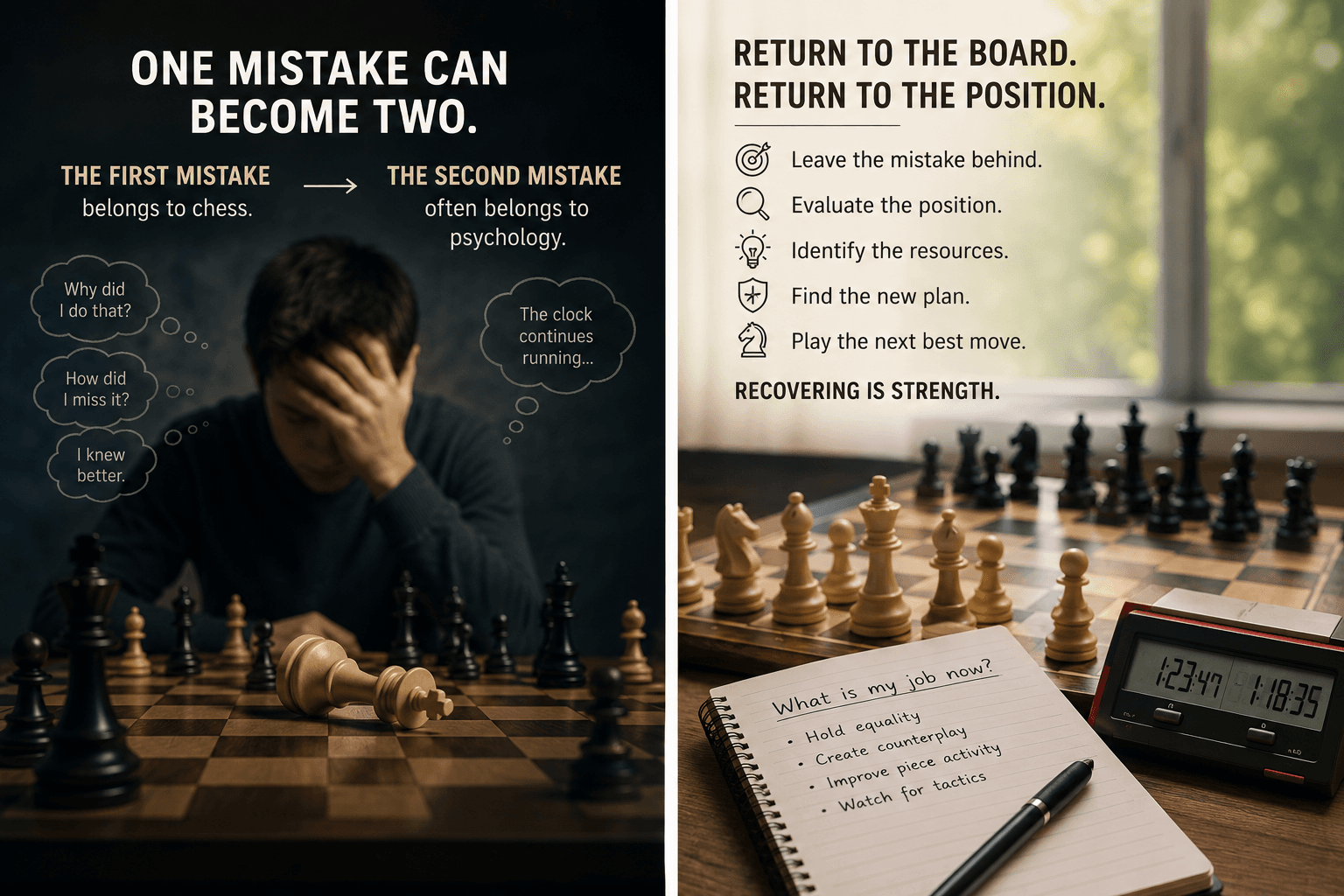
The Game After the Mistake
A mistake changes the position. What happens next reveals something deeper: whether we can let go of what was and respond intelligently to what remains.
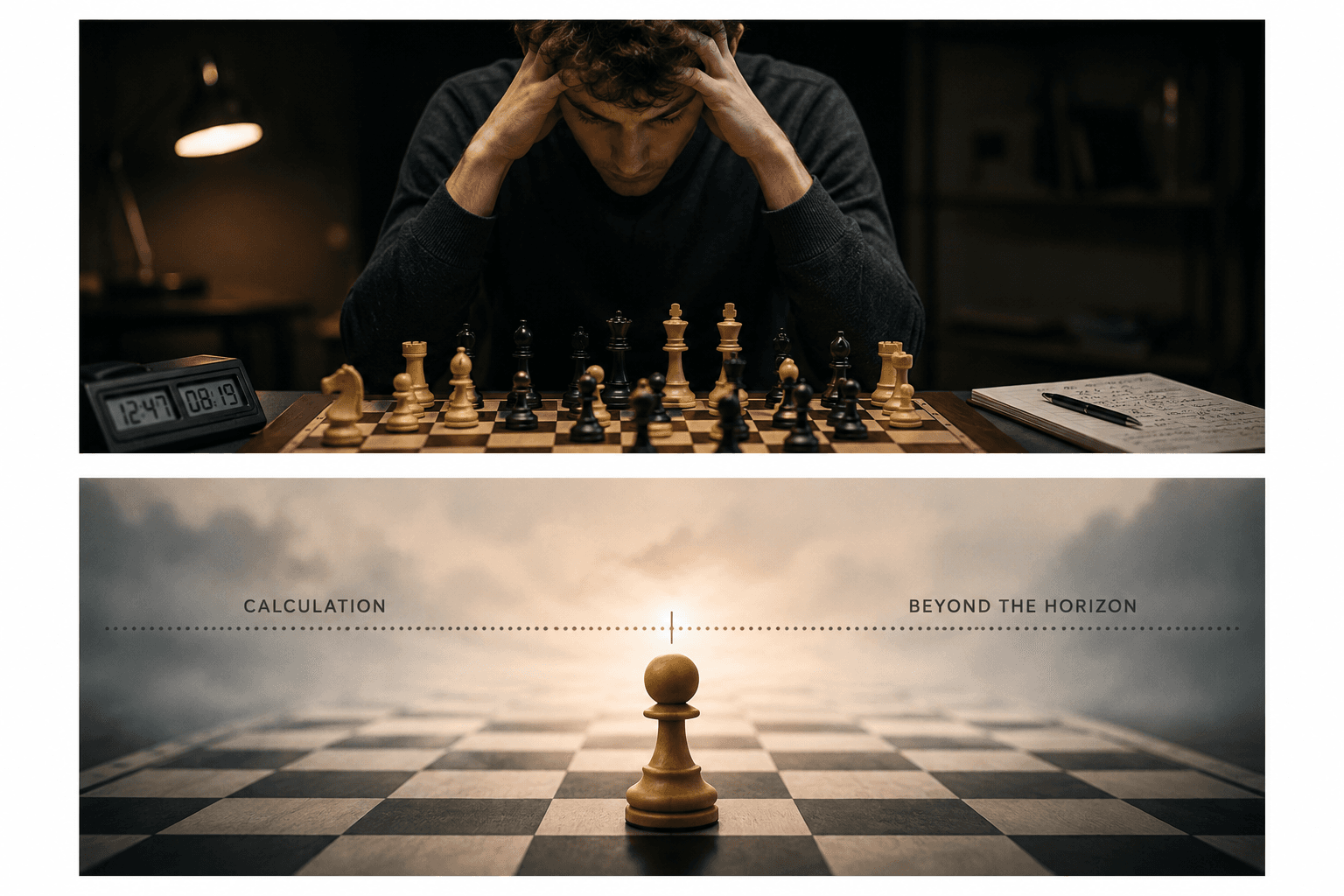
The Position You Cannot Prove
The strongest decisions are not always certain. Chess teaches us how to think clearly, judge what matters, and commit when calculation runs out.
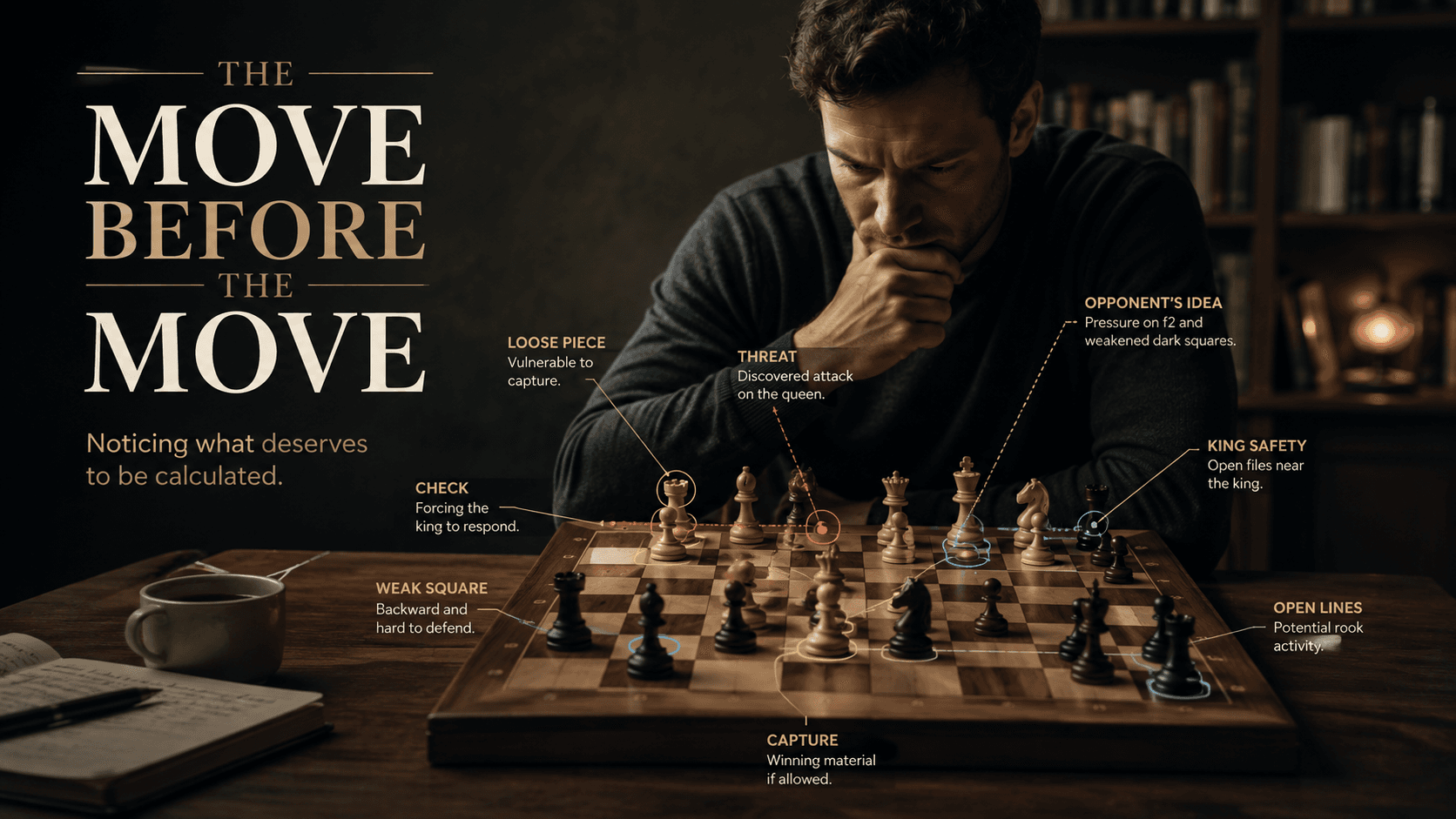
The Move Before the Move
Most chess mistakes don’t begin with bad calculation—they begin with looking at the wrong thing. The Move Before the Move explores how stronger chess starts with attention: noticing what changed, questioning the obvious move, spotting hidden threats, and knowing what deserves calculation. Improvement isn’t about seeing everything. It’s about missing less of what matters.